


Unlimited Miles: Celebrating Miles Davis at 100
Q&A with Music Director, John Beasley, on the Unlimited Miles Sextet Tour
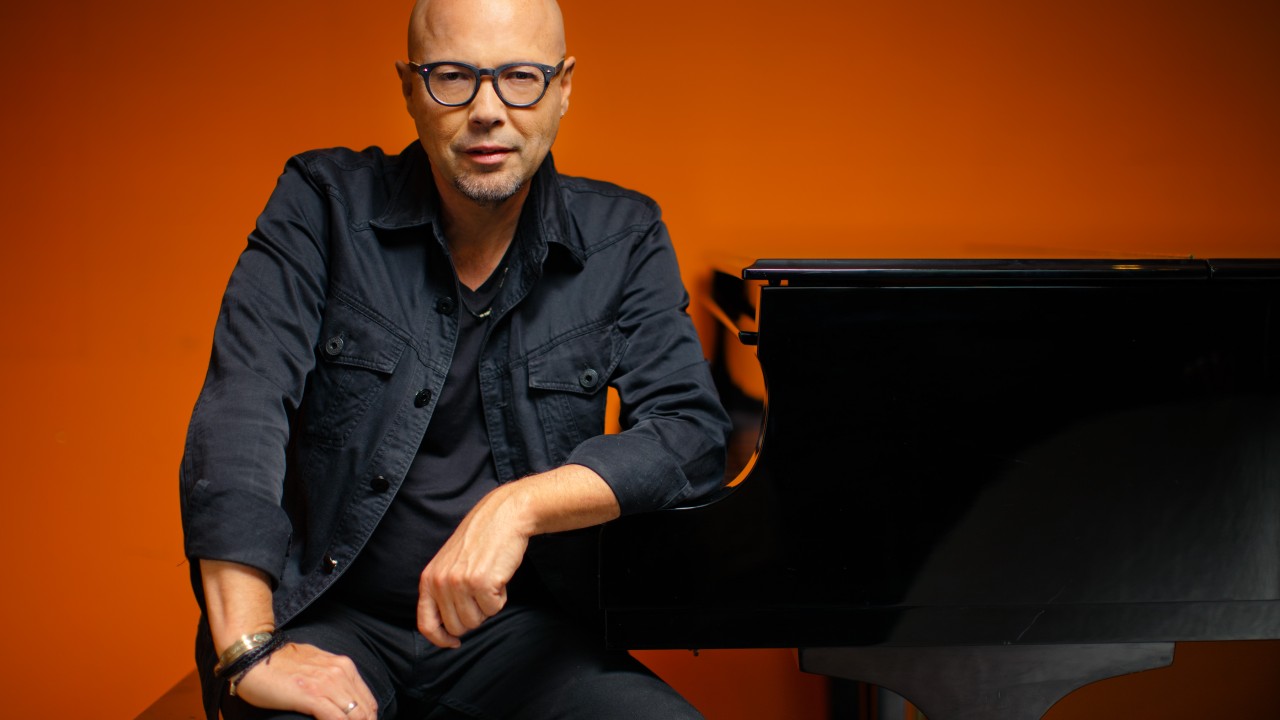
Q1: John, just prior to beginning your solo career you played with Miles Davis. What were the years you were in his band, and what was your biggest takeaway from that experience with Miles?
I joined Miles Davis’s final touring band (1988–1991) and played two European tours in 1989. The band featured Kenny Garrett on sax, Foley on piccolo bass, Munyungo Jackson on percussion, Benny Rietveld on bass, Ricky Wellman on drums, and Kei Akagi and me on keyboards.
That life-changing opportunity started when Miles’s nephew and drummer, Vince Wilburn Jr., came to hear my Los Angeles-based electric band, Audio Mind (with Vinnie Colaiuta, Gary Willis, and Steve Tavaglione). Vince asked me to make a cassette for his uncle. Months later, while I was on tour, I got a call from a raspy voice saying, “This is Miles Davis.” I thought someone was pranking me!
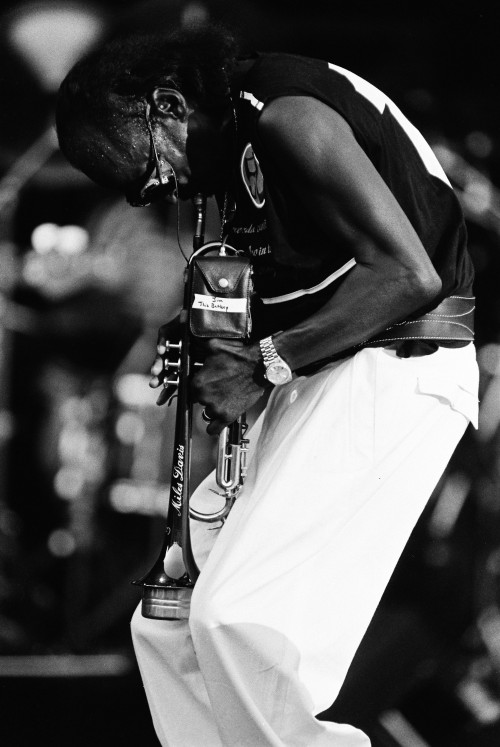
Miles’s impact still unfolds for me, even 35 years later. In my late 20s, I’d never been around someone so focused on art — he lived and breathed it 24/7. On tour, he often skipped the plane and rode the bus with us. He’d listen back to every show, give notes, and adjust details for each venue. His hotel rooms were filled with canvases, sketches, and his trumpet — he was always creating.
One moment that’s etched in my memory: before a concert, he told me, “If you can’t comp like Ahmad Jamal, then don’t play.” That line still teaches me today. At the time, I had only heard Ahmad Jamal comp for a bass player, but I came to understand Miles wanted more space — for the music to breathe and he wanted me to orchestrate my ideas with intention and then get out of the way.
Q2: You’ve paid tribute to Miles over the years — from the Miles Electric Band to Miles in India. For the upcoming Unlimited Miles tour, who will be on trumpet?
I’ve been part of two post-Miles ensembles — Miles Electric Band and Miles in India — alongside alumni like Darryl Jones, Robert Irving III, Munyungo Jackson, Ndugu Chancler, Dave Liebman, Pete Cozy, Badal Roy, Lennie White, alongside prominent musicians featuring Sean Jones, Nicholas Payton, Wallace Roney, Antoine Roney, and Keyon Harrold.
Unlimited Miles band will feature trumpeter Sean Jones. He is one of those rare trumpeters who can play anything with authenticity. When he stepped in, it felt seamless — like a glove. He also worked with another Miles alum, Marcus Miller playing the music of Tutu, at just 22, so he’s got Miles in his DNA.
Q3: What inspired you to create the Unlimited Miles sextet, and what is your role within the group?
In 2024, as I started thinking ahead to Miles’s centennial in 2026, the word that came to mind was infinity — because Miles always created with that sense of limitless possibility. That inspired the name Unlimited Miles Sextet.
The idea isn’t to recreate Miles’s music, but to reshape, renew, and move it ever forward — to play as if Miles were leading the band right now.
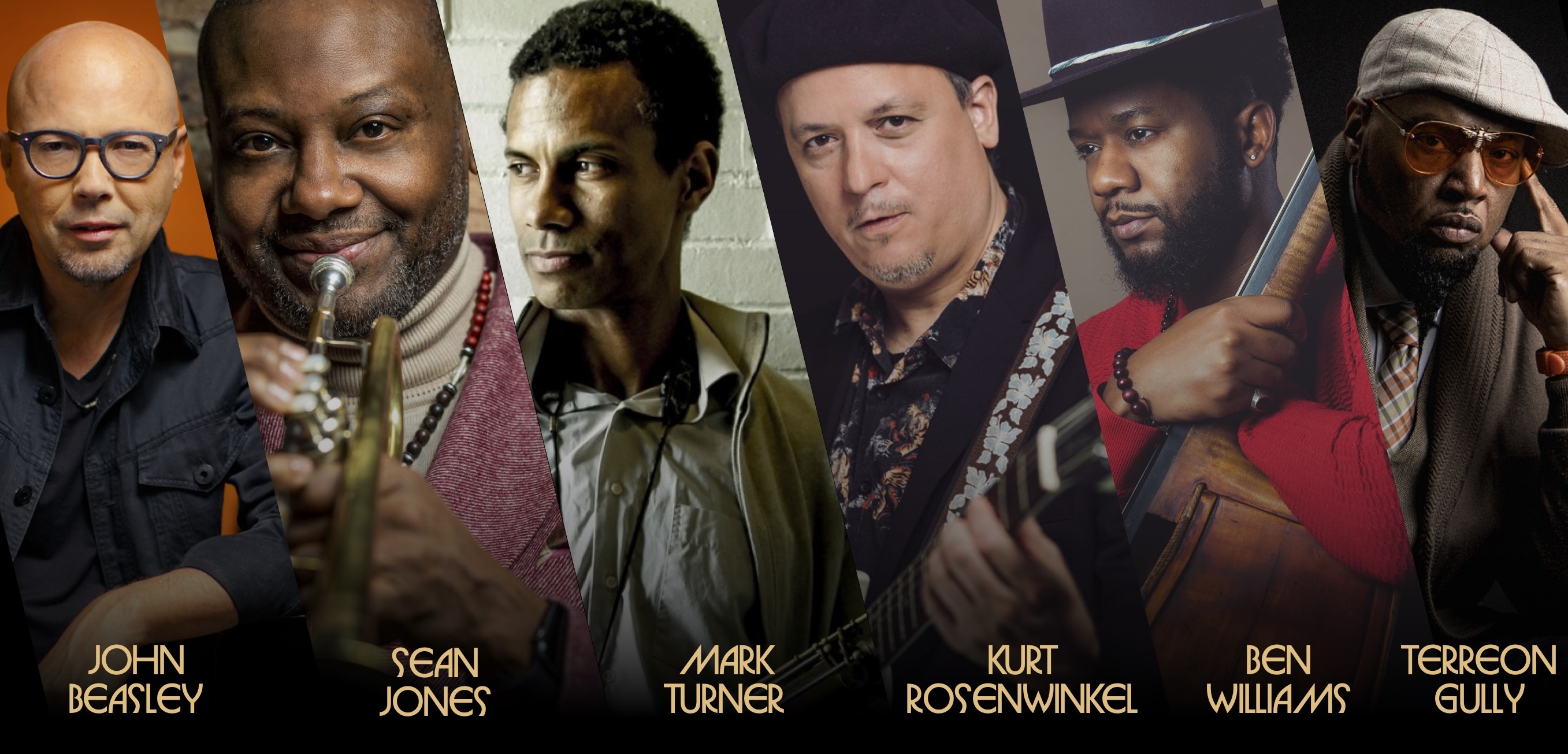
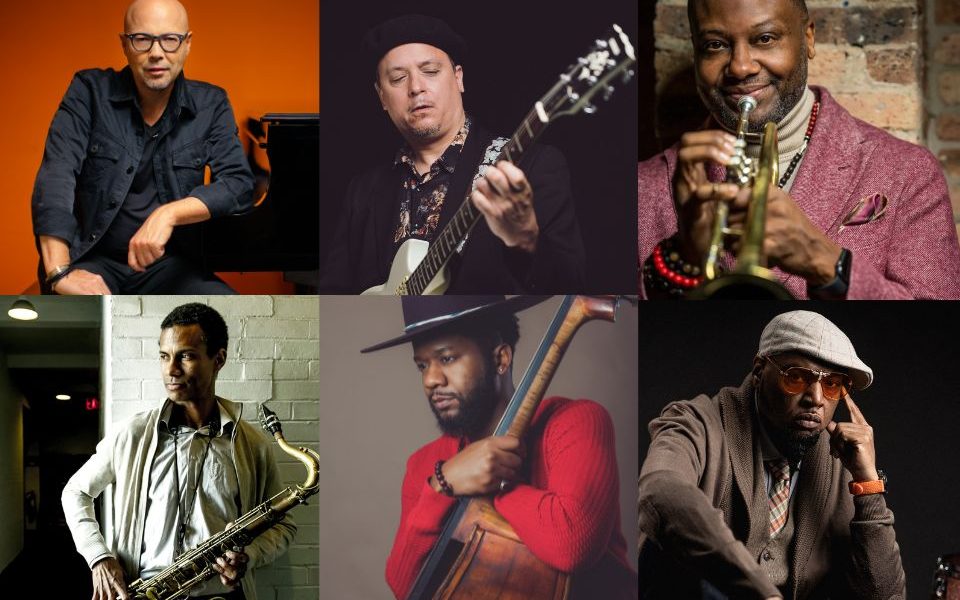
The lineup is powerhouse: Sean Jones (trumpet), Mark Turner (tenor sax), Kurt Rosenwinkel (guitar), Ben Williams (bass), Terreon Gully (drums), and myself on piano and as music director. Like Miles used to do, I brought together musicians who each have a strong personal voice. Together, those six voices form a dynamic, unified sound.
Q4: What music can audiences expect from the Unlimited Miles performances?
Unlimited Miles is built around the arc of the concert—how the music flows, what pieces are placed next to each other, and how we avoid turning Miles’s legacy into a museum piece.
Miles’s music has always been about personal expression: how a band interprets a song on a given night, the space for solos, and the collective energy in the moment. What excites me most is creating connective tissue across eras. For example, we might begin with “Moon Dreams” from Birth of the Cool—not exactly a ballad, but extraordinarily beautiful and harmonically forward-thinking. As it opens into that more modern, almost contemporary-classical space, we can leap ahead 30 years into something like “Sanctuary,” and then pivot into “Fat Time” from Man with the Horn. The music evolves organically, moving seamlessly across decades.
I love mashups and unexpected juxtapositions—presenting Miles’s music through the lens of our generation and taking both the musicians and the audience on a journey, almost like walking through a house of mirrors.
We’ll trace Miles’s artistic evolution—from Birth of the Cool to the first great quintet and sextet, through Kind of Blue and the Gil Evans collaborations, and into the electric and fusion eras of the late ’60s, all the way to Amandla, his final studio album.
But this isn’t a retrospective. It’s about honoring Miles’s spirit of risk, invention, and constant reinvention.
Q5: You’re also recording as part of this project—what can you share about that?
Miles released around 39 live albums, and I was featured on one of his last — Live Around the World (1996), a compilation of performances from 1988–1991.
So, it feels right to capture Unlimited Miles Sextet live as well. We’ll be recording Live from Blue Note Tokyo on April 23rd for an early 2027 release with Mack Avenue Records — keeping that Miles tradition of live, in-the-moment energy.
Q6: There’s a concert film in development. What can you tell us about it?
We’re partnering with Paramax Films, a company known for producing high-end music concerts, documentaries, and 8K/IMAX content. They’ve collaborated with artists such as Chick Corea, Herbie Hancock, Ron Carter, Avishai Cohen, and many others.
They approached us about filming our concert at the Blue Note Tokyo, which will be captured for broadcast and streaming through platforms including Mezzo TV and De Medici online. The performance is scheduled for May 26, 2026, a particularly meaningful date, as it marks the 100th anniversary of Miles Davis’s birth—a fitting tribute to one of the greatest icons in jazz.
Unlimited Miles: Miles Davis at 100
Wednesday, May 13 | 7:30pm
Jackson Hall